Learn to read weather radar
in 90 minutes.
Go from colored blobs to actually reading radar in ten short lessons. Learn what kind of storm you're seeing, where it's going, whether it's rotating, and when radar can fool you, using real storms and Live radar.
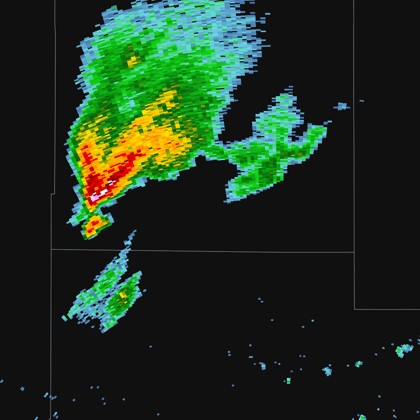
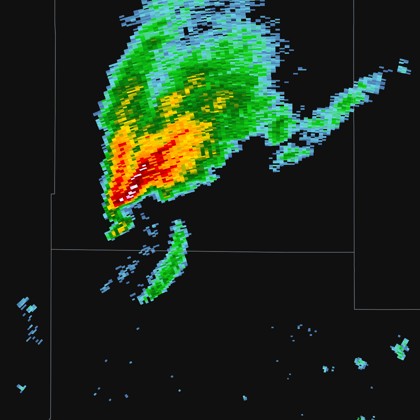
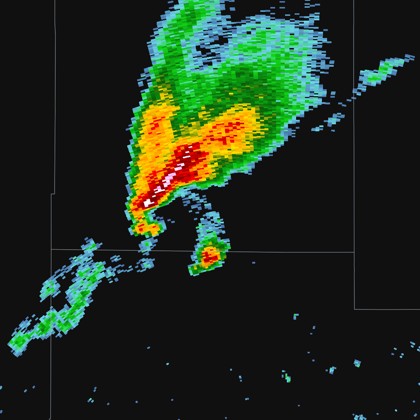
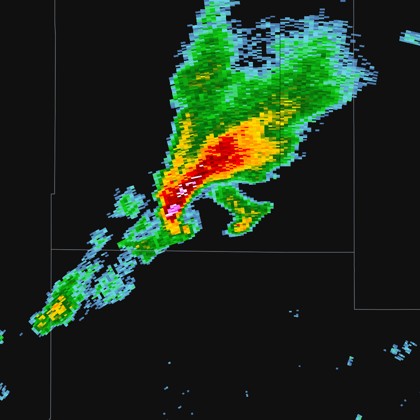
For the weather obsessed, the high schooler headed for a meteorology degree, or the forecaster who wants a cleaner way to explain all this to everybody else.
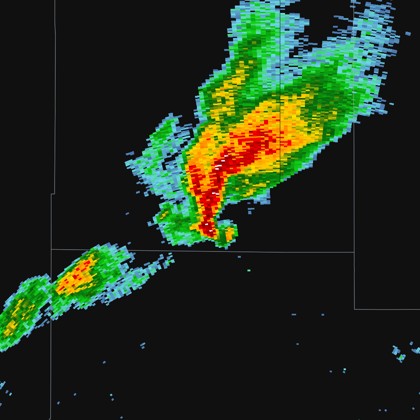
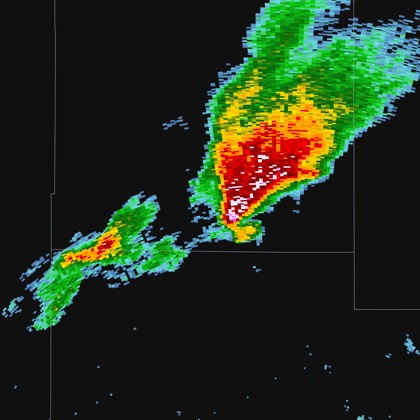
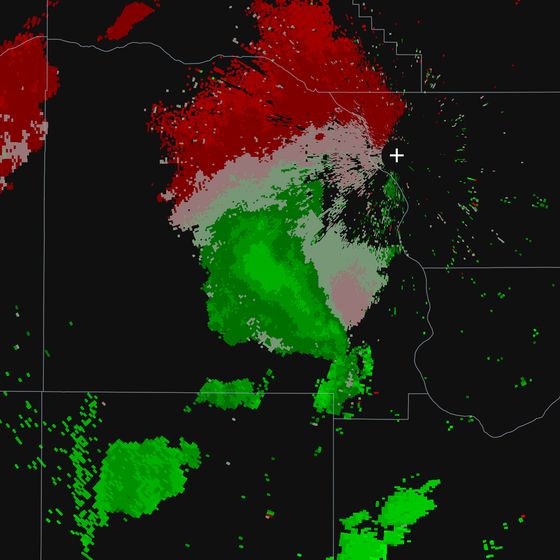
Two of these four are not weather
By Lesson 6 you will know which, and why.


Understand updrafts, downdrafts, fronts, instability, wind shear and why thunderstorms organize. About ten minutes. Already know what an updraft and wind shear are? Skip straight to Lesson 1.
The ten lessons
Ten lessons, each one built on the last. Take them in order.
What the radar measures, and what the colors mean.
CompletedWhere the air is going, how it is moving, and where the storm goes next.
CompletedReading severe weather, and knowing the limits.
Completed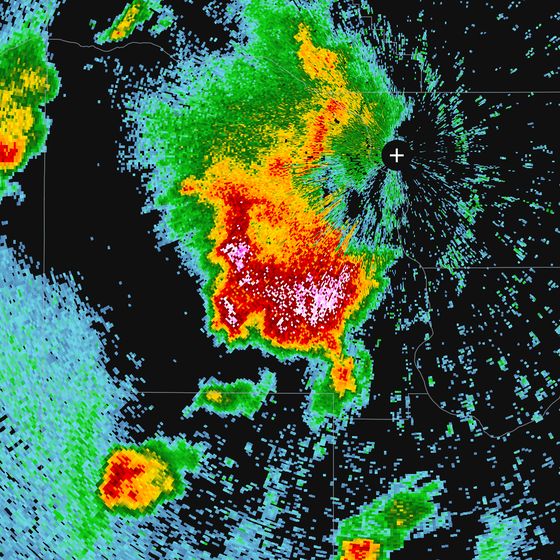
Meet Earl
Earl "Dryline" Hatcher is RadarWrangler's fictional trainer, weathered chaser, questionable role model, and your guide through Radar School.
His resume is fiction, but he helps teach real radar skills.
He turns up at the start and end of every lesson, to explain things plainly. And because apparently this needs saying somewhere: Earl is a character. No retired storm chaser was trapped inside this website.
Live radar in every lesson
A live radar scope stays with you through the whole course, with every U.S. weather radar station and the standard controls and layers in other radar apps. When a lesson teaches you a new skill, TRY IT LIVE opens the radar and Earl guides you through looking for it in today's weather.
Your progress stays on your device. Passing the final exam earns a Radar Reader Certificate signed by Earl.
This course teaches a skill. It is not a weather service. Every storm on the Live radar screen is happening to somebody, and reading radar well should make you take warnings more seriously rather than less. When there is weather where you are, the National Weather Service and your local emergency officials are who you listen to.